Charging terminology confuses almost every new EV owner. "Level 1," "Level 2," "DC fast," "CHAdeMO," "CCS" — it's a lot. The good news: the concept is simple once you map each level to the job it's built for.
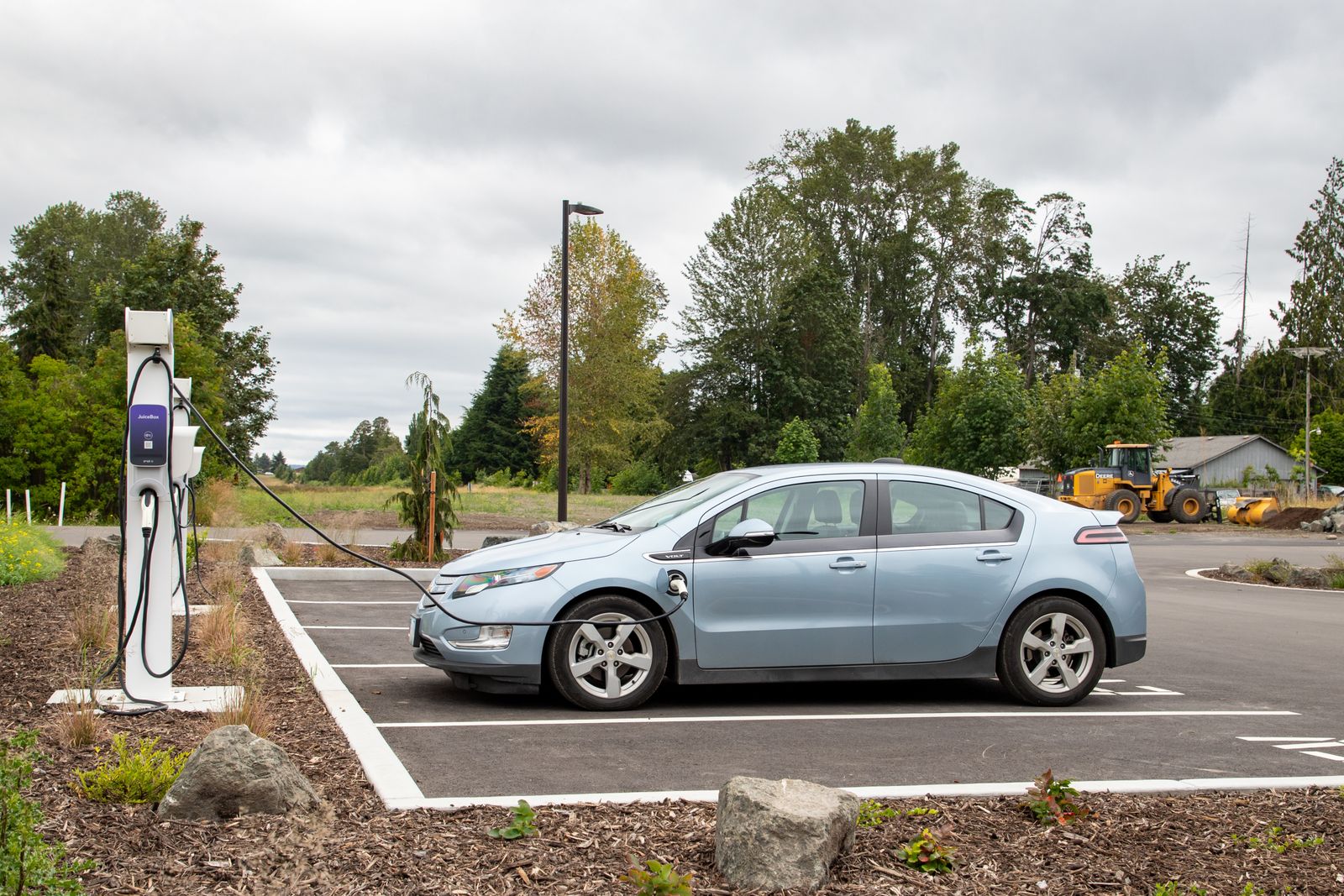
The three levels at a glance
| Level | Typical power | Miles added per hour | Best for |
|---|---|---|---|
| Level 1 | ~1.4 kW | 3–5 mi | Overnight top-ups, low mileage |
| Level 2 | ~7–11.5 kW | 20–40 mi | Home daily charging |
| DC Fast | 50–350 kW | 100+ mi in ~20 min | Road trips |
Level 1: the trickle
Level 1 uses a standard 120-volt household outlet — the same plug as your lamp. It's slow, adding only a few miles of range per hour, but it needs zero installation. For a short commute and a car that sits overnight, it can actually be enough. For everyone else, it's a fallback.
Level 2: the everyday charger
Level 2 runs on 240 volts — the same circuit a dryer uses — and adds 20–40 miles of range per hour. That's enough to fully recharge almost any EV overnight. This is the setup we recommend in our best home EV chargers guide, and it's where most of the cost savings of EV ownership come from.
DC fast: the road-trip charger
DC fast chargers bypass the car's onboard charger and push high-voltage DC straight into the battery, adding significant range in minutes rather than hours. They're what you use on road trips. They're more expensive and, used constantly, slightly harder on the battery — which is why they're a travel tool, not a daily habit.
The verdict
Level 2 at home is the answer for 90% of owners. Keep Level 1 as an emergency backup, and use DC fast only when you're covering serious distance. For the full picture on what charging costs, see EV charging costs.