The Model Y and Ioniq 5 are the two electric crossovers that define the segment. They go about the same job in very different ways, and which one is "better" depends almost entirely on what you value in a car. Here's the honest breakdown.
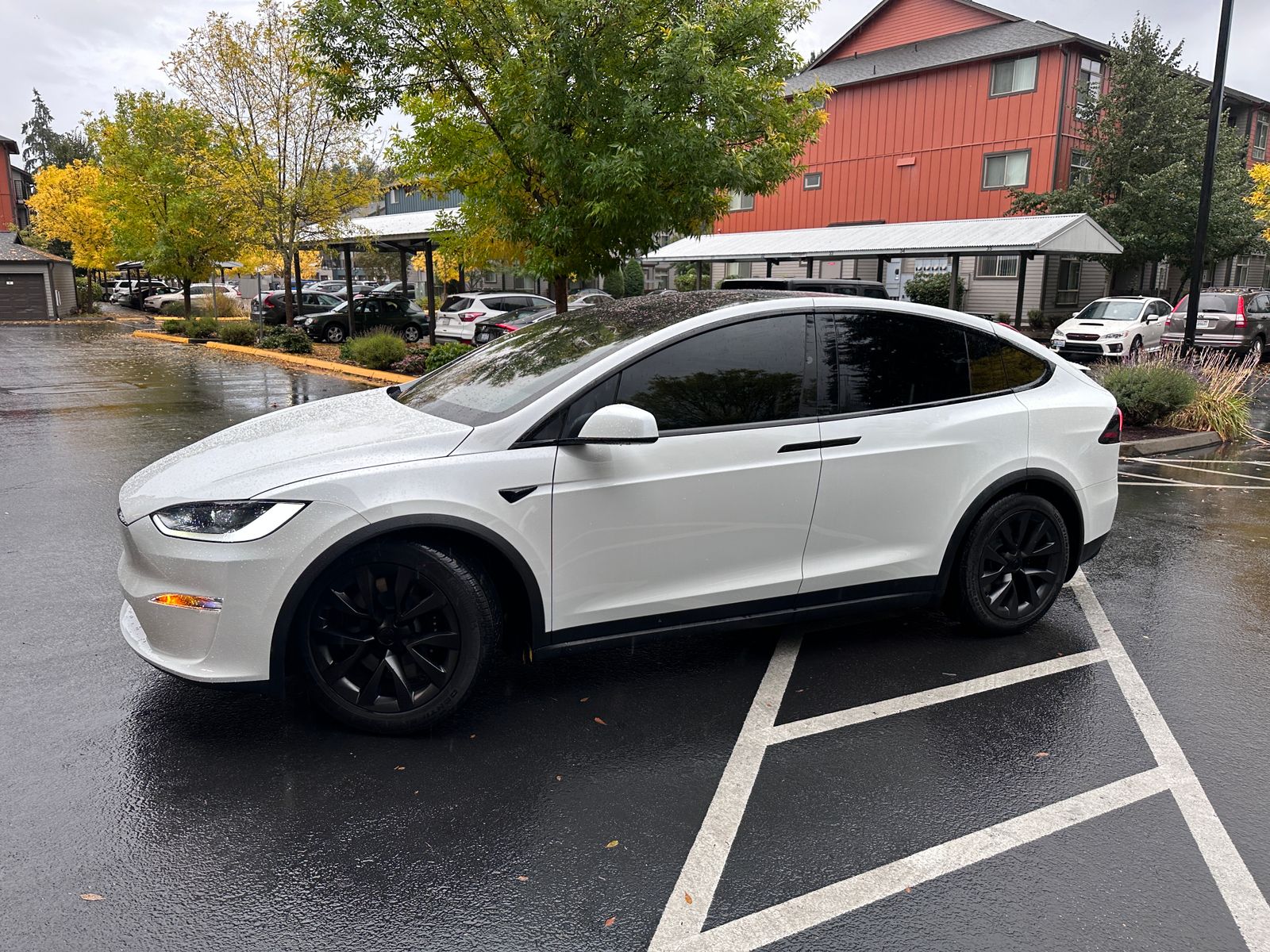
Specs at a glance
| Tesla Model Y | Hyundai Ioniq 5 | |
|---|---|---|
| EPA range | ~310 mi | ~300 mi |
| Peak charging | Fast & reliable network | Faster 800V peak rate |
| Ride comfort | Firm | Comfortable |
| Interior | Minimalist, screen-first | Conventional, well-finished |
| Mobility Score | 90 | 90 |
Range and efficiency
The Model Y is the more efficient machine, converting electricity into miles more effectively. That translates to slightly more range from a similar battery and lower cost per mile. The Ioniq 5 is close but not quite as frugal. See our Model 3 review for more on Tesla's efficiency advantage.
Charging
Here the story splits. The Ioniq 5's 800-volt system charges faster at its best compatible chargers, so a quick mid-trip stop adds more range. But the Model Y counters with the Supercharger network — simply the most reliable, widespread fast-charging option in North America. For most road-trippers, network reliability beats a faster peak rate. We detail the trade-off in best EV charging networks.
Ride and cabin
If comfort is the tiebreaker, the Ioniq 5 wins. Its suspension is tuned softer, and the cabin is quieter and more conventionally laid out, with physical controls where you'd expect them. The Model Y rides firmly and asks you to do almost everything through the screen. Read our Ioniq 5 review for the full picture.
Value and ownership
Both sit in a similar price band, and both qualify for incentives in many markets. The Ioniq 5 tends to include more standard features, while Tesla's over-the-air updates keep the software feeling fresh. Long-term, both benefit hugely from home charging economics.
The verdict
Buy the Model Y if you road-trip regularly and want the most efficient, best-networked EV. Buy the Ioniq 5 if you value a comfortable ride, fast peak charging, and a conventional interior. You can't go wrong with either — this is the closest matchup in the EV world right now.