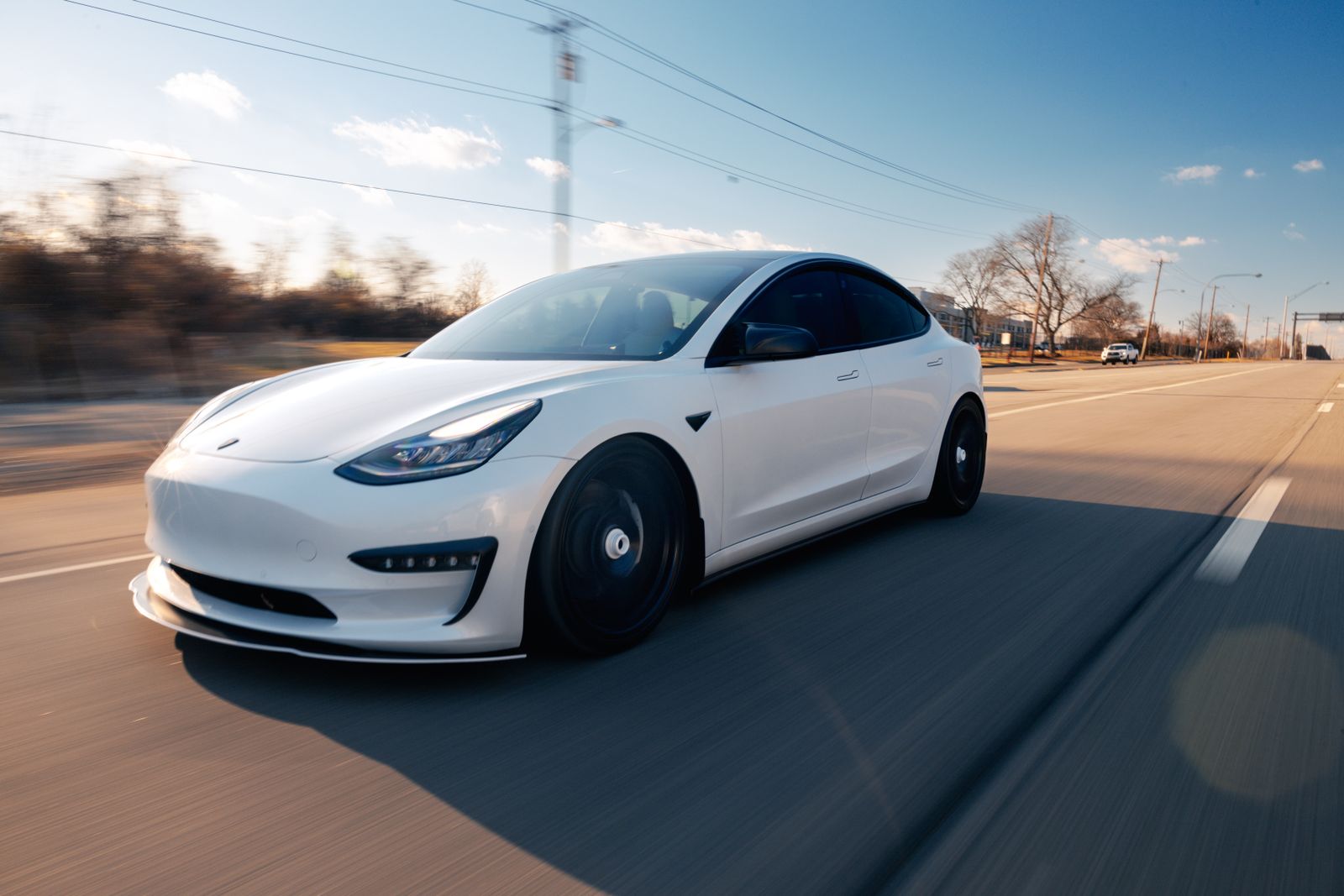
After more than half a decade on sale, the Tesla Model 3 is still the car every other electric sedan is measured against. It's not the most luxurious or the most comfortable EV, but it remains one of the most efficient and — thanks to the Supercharger network — the easiest to live with on long trips.
Range and efficiency
This is where the Model 3 separates itself. It consistently converts battery energy into miles more efficiently than most competitors, which means a smaller battery can deliver competitive range and lower charging costs. In mixed real-world driving, expect to land close to the EPA estimate under normal conditions — cold weather and sustained highway speeds are the usual caveats.
Charging
The Supercharger network is the Model 3's quiet superpower. Stations are widespread, integrated into the car's navigation, and generally reliable. At home, the Model 3 pairs cleanly with the Tesla Wall Connector for overnight Level 2 charging. For a primer on speeds, see Level 1 vs Level 2 vs DC fast.
Interior and software
The single central screen controls nearly everything, and the software is genuinely excellent — fast, frequently updated, and intuitive once you adapt. The minimalist cabin feels airy, but the lack of physical buttons and the absence of an instrument cluster in front of the driver won't suit everyone.
Driving dynamics
Instant torque makes the Model 3 quick off the line, and the low center of gravity gives it confident handling. The trade-off is ride quality: the suspension is tuned firm, and on rough pavement it can feel busy. If comfort is your priority, the Hyundai Ioniq 5 rides more serenely.
The verdict
The Model 3 remains the default recommendation for anyone who wants maximum efficiency, top-tier software, and painless road-tripping in an electric sedan. If you prioritize ride comfort and a more conventional interior, test-drive the Ioniq 5 first. But as a total package, the Model 3 still sets the standard.